





TL;DR:
AI content pipeline tools automate end-to-end content workflows, integrating LLMs, APIs, and automation platforms.
Modern stacks emphasize unification, natural language interfaces, and human-in-the-loop design.
Key challenges include quality assurance, workflow fragmentation, and data compliance.
Pragmatic tool selection should prioritize alignment with actual workflows, extensibility, and transparency.
Automation accelerates both opportunities and risks—thoughtful implementation enriches, while careless adoption commodifies.
Unified platforms like Metaflow AI enable growth teams to ideate, experiment, and scale with less cognitive overhead, reclaiming focus for impactful work.
Introduction: Navigating the Age of AI Content Pipelines
The landscape of digital content has shifted dramatically in recent years, driven by advances in artificial intelligence and the proliferation of automation tools. Today, content is not just written or designed—it is orchestrated, transformed, and delivered through complex pipelines that fuse APIs, large language models (LLMs), and automation platforms. As organizations confront the challenges of scale, velocity, and quality in their content operations, the question is no longer “should we automate?” but “how do we build and maintain reliable, scalable AI content pipelines?”
This article explores the evolving stack of AI content pipeline tools, dissecting their architecture, strengths, and limitations. Drawing on concrete industry examples and grounded in the realities of implementation, we offer a pragmatic, intellectually rigorous guide for founders, growth marketers, and technical operators seeking to enrich their work with automation—without succumbing to hype or over-promising.
What Are AI Content Pipeline Tools?
AI content pipeline tools are software systems designed to automate and orchestrate content workflows end-to-end. They integrate natural language processing, machine learning, and workflow automation to move content from ideation to publication, often without direct human intervention at each step.
Core Components of the Modern Content Pipeline
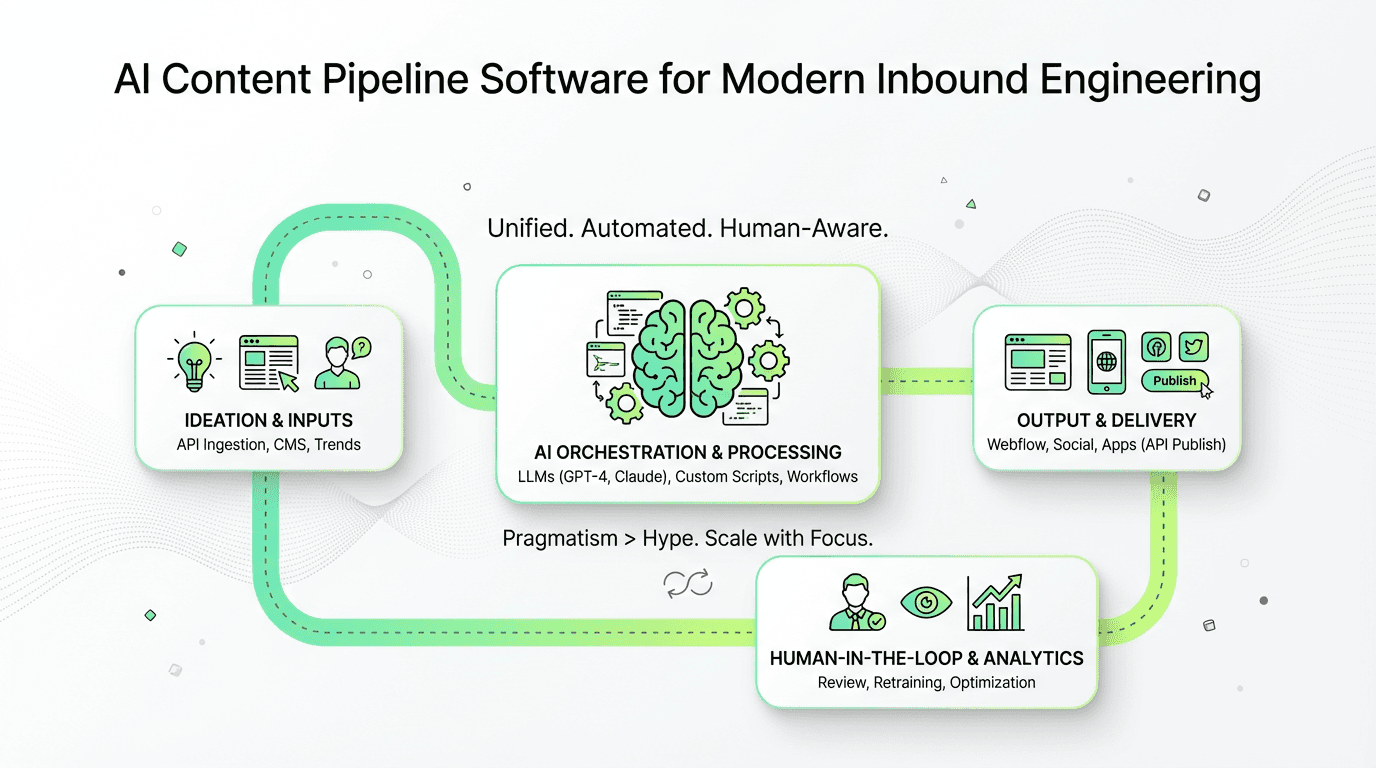
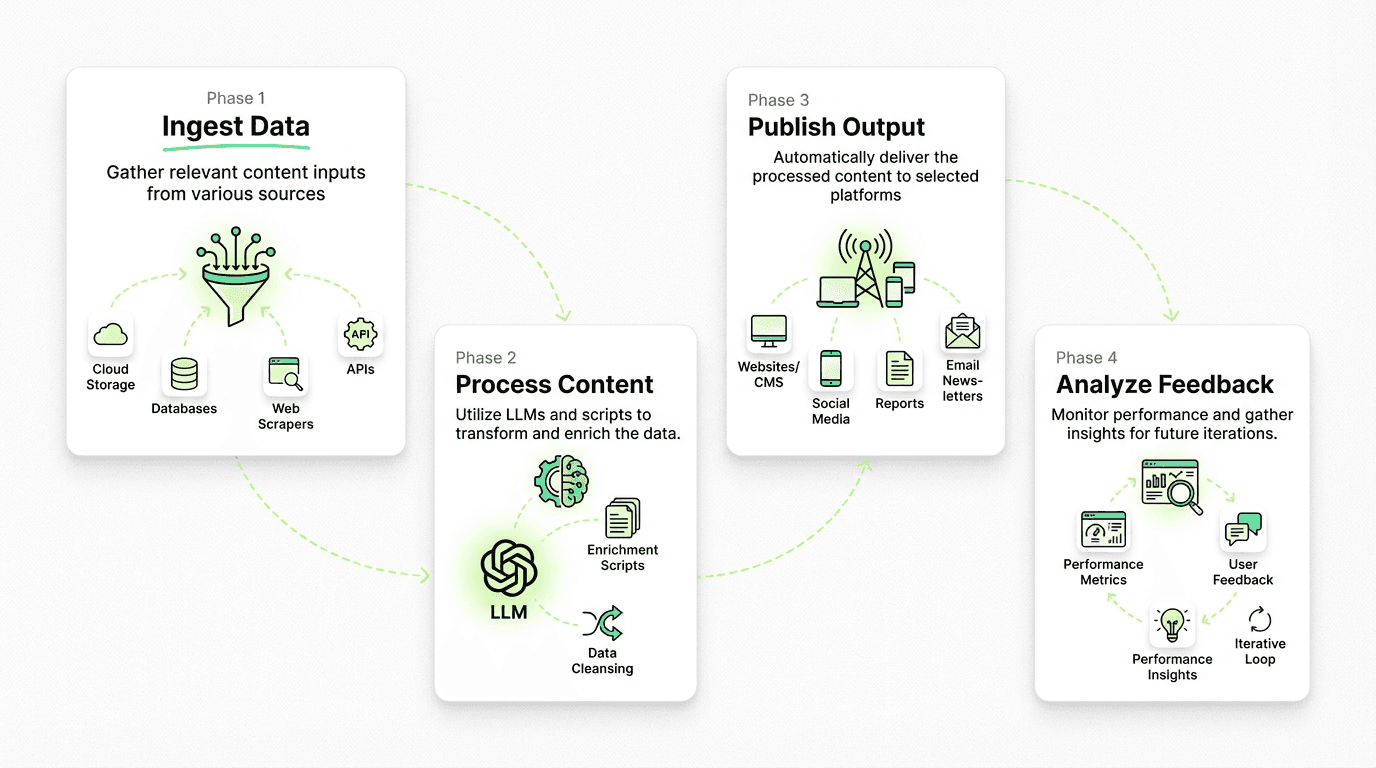
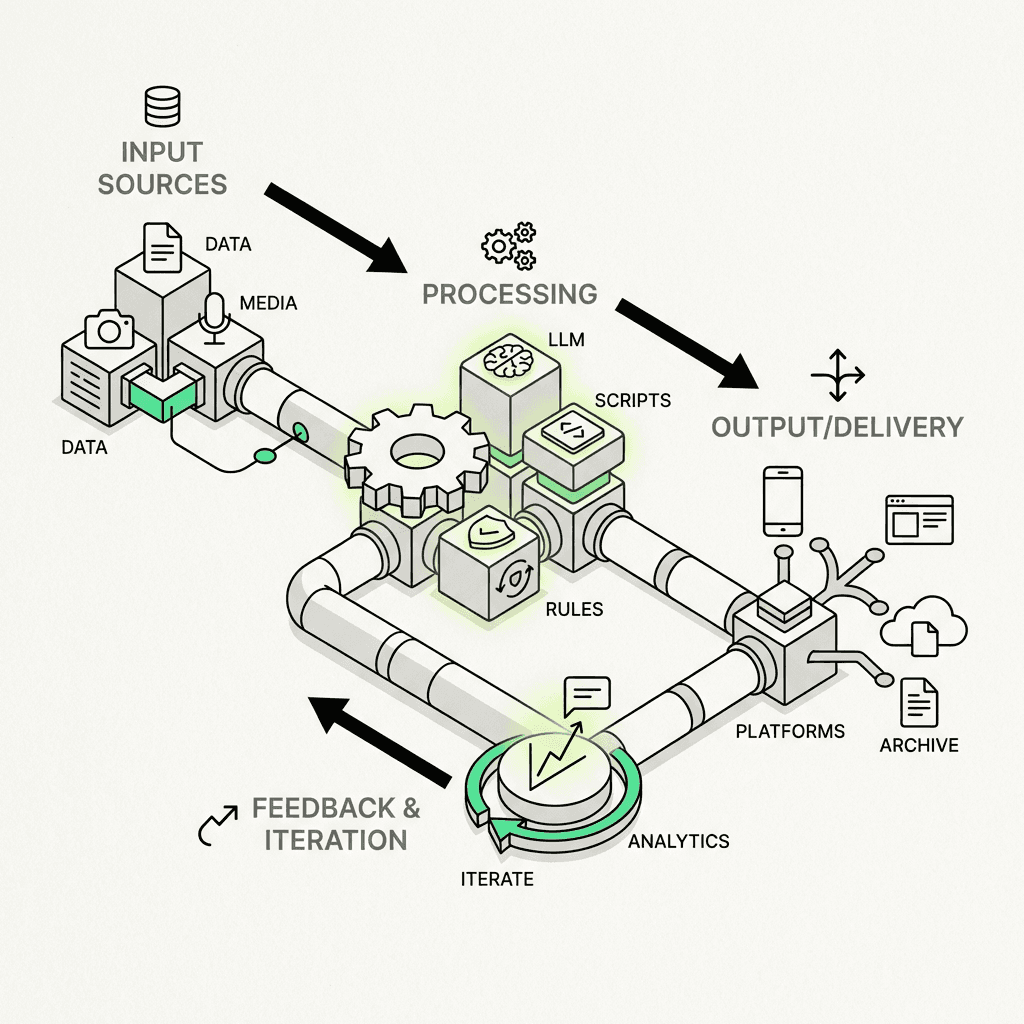
Input Sources: Data ingestion from APIs, CMSs, user submissions, or third-party platforms.
Processing and Orchestration: Workflows that transform, enrich, and validate content using LLMs (e.g., GPT-4, Claude), custom scripts, and business rules.
Output and Delivery: Automated publishing to websites, apps, or social channels, often via API or webhook integration.
Feedback and Iteration: Analytics, human-in-the-loop editing, and retraining for ongoing optimization.
This modular architecture allows teams to scale content production while maintaining quality and adaptability, and represents a powerful form of ai workflow automation.
The Evolution of Content Automation: From Macros to LLMs
Content automation is not new. Early approaches relied on basic scripting, macros, or rigid workflow software. The paradigm shifted with the emergence of LLMs and the rise of “second brain” software—tools that not only automate but also synthesize, summarize, and generate original content at scale.
Key Technological Shifts
APIs as Connective Tissue: Modern pipelines leverage APIs to connect disparate tools, enabling seamless data flow and process automation.
LLMs and Generative AI: Language models such as OpenAI’s GPT series or Anthropic’s Claude have unlocked new capabilities, from automated content generation to real-time semantic analysis.
No-Code and Low-Code Platforms: The democratization of automation allows non-technical users to design and deploy pipelines, reducing reliance on engineering resources.
Agent-Based Automation: Emerging platforms allow users to build “agents” that operate autonomously, executing multi-step workflows based on natural language instructions, exemplifying the growing importance of ai agents in marketing and content operations.
The Current Stack: Mapping AI Content Pipeline Tools in 2026
The market for AI content pipeline tools is both fragmented and rapidly evolving. Some tools focus on specific pipeline stages (e.g., copy generation, SEO optimization), while others offer end-to-end orchestration.
Categories of Tools
1. Content Generation Engines
OpenAI GPT-4, Claude, Gemini: Offer API access for text generation, summarization, and rewriting.
Copy.ai, Jasper: User-friendly platforms for automated copywriting and ideation.
2. Workflow Orchestration and Automation
Zapier, Make (Integromat): General-purpose automation platforms with hundreds of integrations.
Metaflow AI: No-code agent builder for designing and deploying complex, natural language-driven workflows, unifying ideation and execution.
3. Content Management and Delivery
Contentful, Strapi: API-first CMSs enabling programmatic content management.
Webflow, Framer: Visual website builders with automation-ready APIs for content publishing.
4. Second Brain and Knowledge Management
Notion, Obsidian: Tools for organizing and synthesizing content, increasingly integrating AI-driven features.
Practical Example: Orchestrating a Content Campaign
A growth team might use Metaflow AI to design an agent that:
Ingests trending topic data via API.
Generates draft articles with GPT-4.
Routes drafts for human review in Notion.
Publishes approved content to Webflow.
Monitors engagement analytics and initiates iterative updates.
This unified approach minimizes context-switching and manual handoffs, freeing up cognitive bandwidth for strategic work and demonstrating the advantages of an ai marketing automation platform.
The Promise and Perils of Automated Content Pipelines
Benefits
Scale and Velocity: Automation enables the production and distribution of content at a pace unattainable with manual workflows.
Consistency: Pipelines enforce standards, reducing variability and human error.
Experimentation: Lowers the cost of testing new ideas, formats, or channels.
Resource Efficiency: Reduces the need for repetitive, low-value tasks, allowing teams to focus on creative and analytical work.
Persistent Challenges
Quality Assurance: Automated content is only as good as the prompts, models, and review mechanisms employed. Risks include factual errors, tone misalignment, or subtle bias.
Overfitting and Homogenization: Reliance on similar models and datasets can lead to generic, indistinct output that fails to differentiate brands.
Data Security and Compliance: Handling sensitive or regulated data in automated pipelines raises questions of privacy, copyright, and auditability.
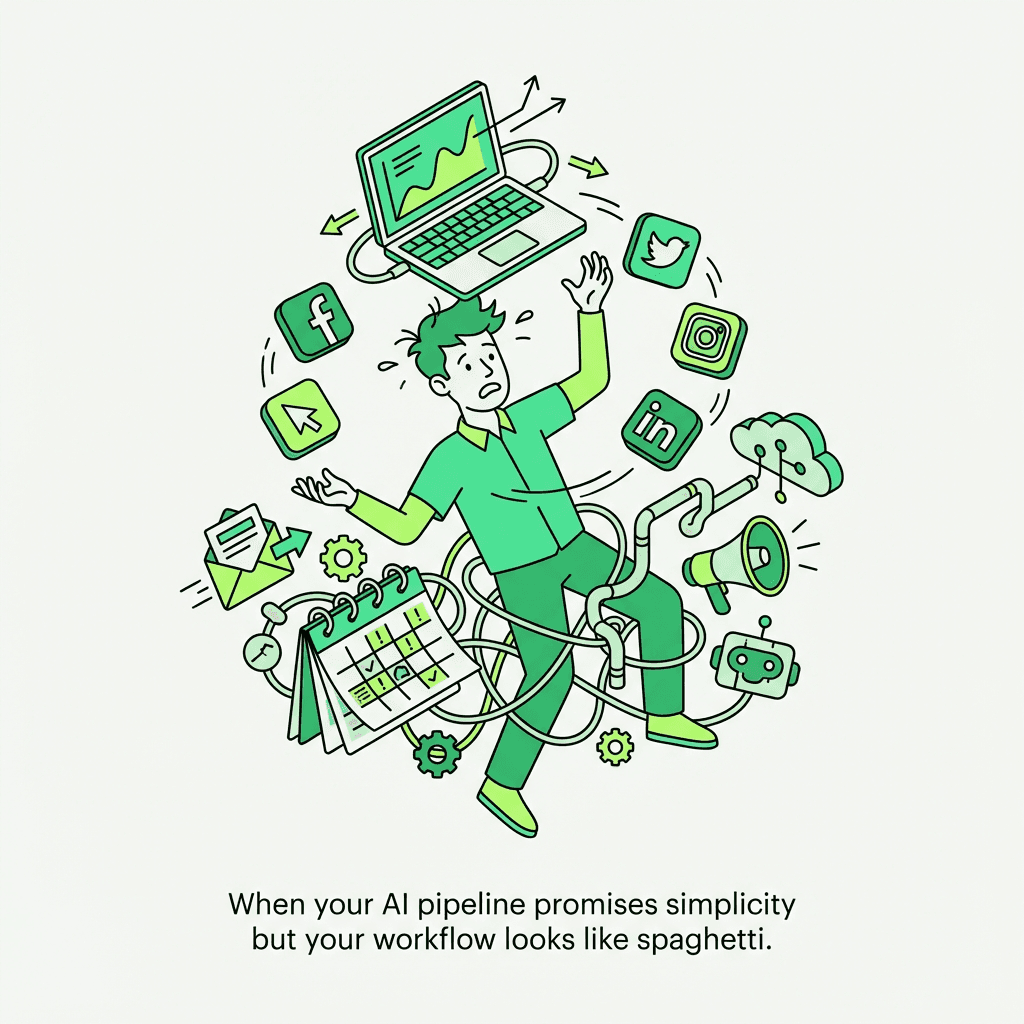
Cognitive Fragmentation: Excessive tool sprawl can paradoxically increase complexity, leading to fragmented workflows and reduced strategic oversight.
Pragmatism Over Hype: Lessons from Building Modern Automation Stacks
Automation is not a panacea. Every tool introduces trade-offs between flexibility, reliability, and maintainability. Drawing from firsthand experience building and scaling Metaflow AI, several principles emerge:
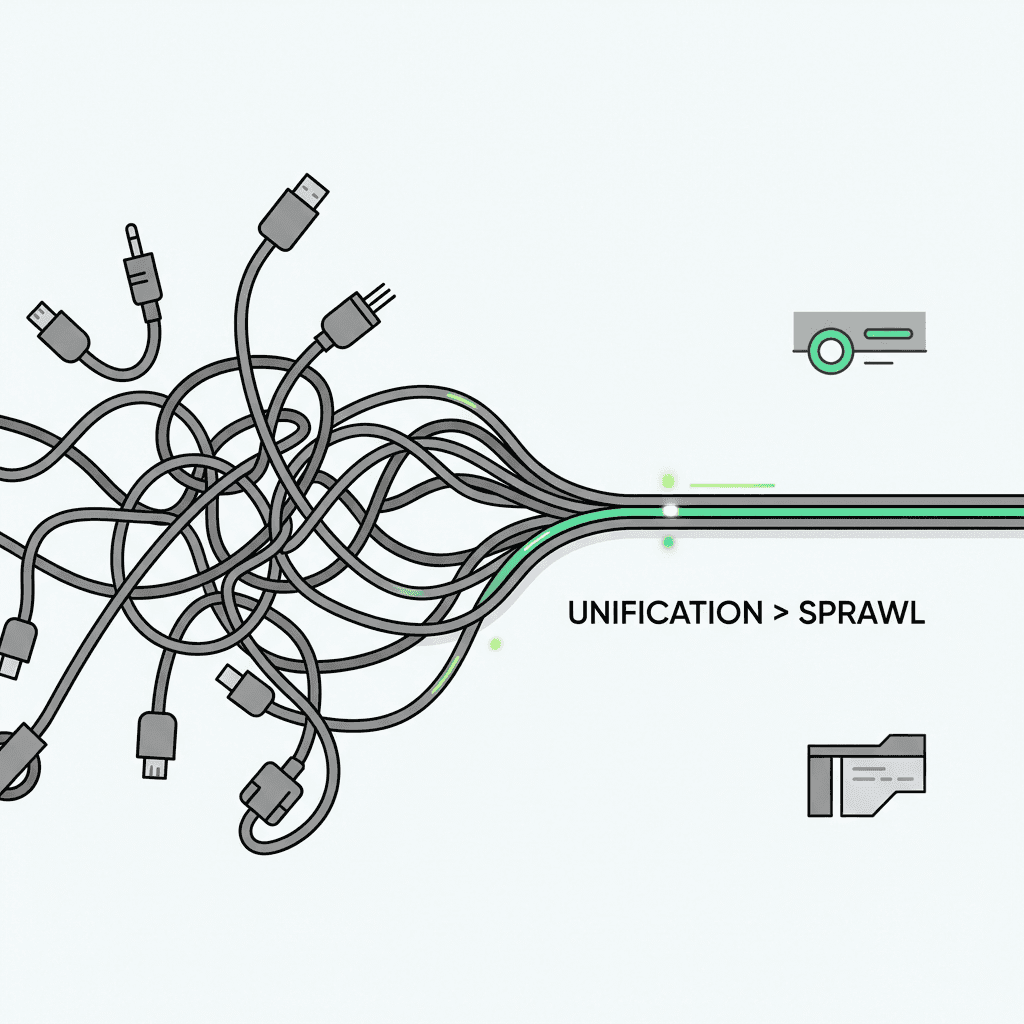
Unification Matters: Fragmented stacks—where ideation, experimentation, and codification happen in different tools—erode both velocity and insight. Unified workspaces reclaim operator focus, and an ai marketing workspace can be a pivotal asset for modern teams.
Natural Language as Interface: Natural language interfaces lower the barrier for non-technical users, but require robust guardrails to prevent ambiguous or unintended automation.
Durability Over Duct Tape: Quick wins from stringing together disparate tools rarely scale. Durable architectures emerge from thoughtful design, not accumulation of connectors.
Human-in-the-Loop Is Essential: Full automation is rarely advisable. The most reliable pipelines blend algorithmic efficiency with targeted human judgment.
Navigating Tool Selection: A Framework for Teams
When evaluating AI content pipeline tools, consider:
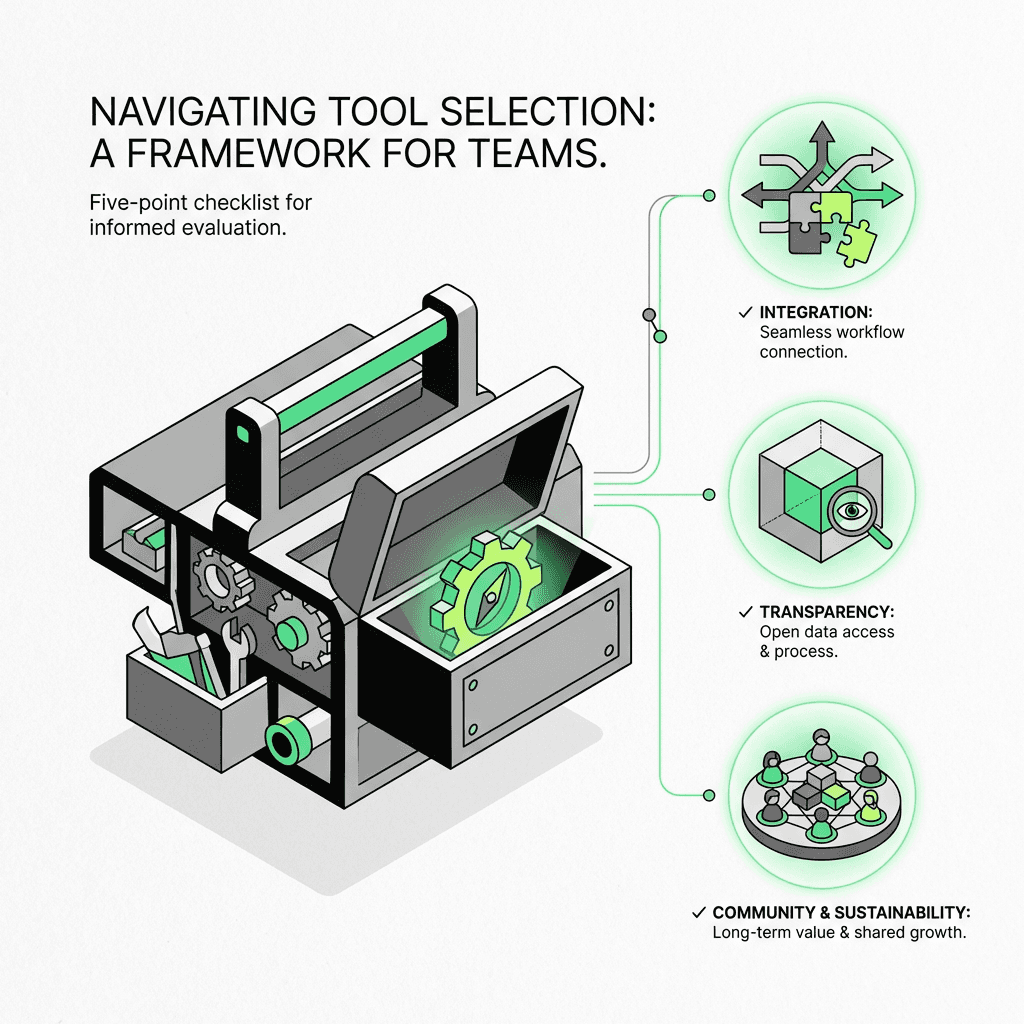
Alignment with Workflow Needs: Does the tool support your actual process, or impose rigid patterns?
Integration and Extensibility: Can it connect with your existing systems via API or plugins?
Transparency and Control: Are workflows observable, auditable, and adjustable by non-engineers?
Community and Support: Is there an active ecosystem and responsive documentation?
Sustainability: Does the platform’s development roadmap align with your long-term goals? Choosing the best ai tool for growth marketing can make a significant difference in sustainable content operations.
Beyond the Stack: The Future of Content Operations
AI content pipeline tools are neither a magic bullet nor an existential threat to creative work. They are accelerants—amplifying both the liberatory and commodifying potentials of automation. Used thoughtfully, they allow teams to reclaim time for high-impact thinking, experimentation, and strategic differentiation. Abused or misunderstood, they risk reducing content to undifferentiated noise.
The future will likely see continued convergence: more unified platforms, richer natural language interfaces, and deeper integration between ideation, execution, and feedback. Yet the core challenge remains unchanged: how to build systems that augment, rather than replace, human judgment and creativity.